RAA Basic Nucleic Acid Amplification Kit (RUO)
Rapid amplification of DNA at 37 °C; product confirmed by agarose gel electrophoresis. Runs on a heat block, water bath or incubator.
DNAGel readout48 tests50 μL
RAA runs isothermally at 37–42 °C and returns a fluorescence result in 5–15 minutes. Lyophilised reagents, a portable analyzer and a two-step workflow take molecular testing to the field. All reagents are for research use only.
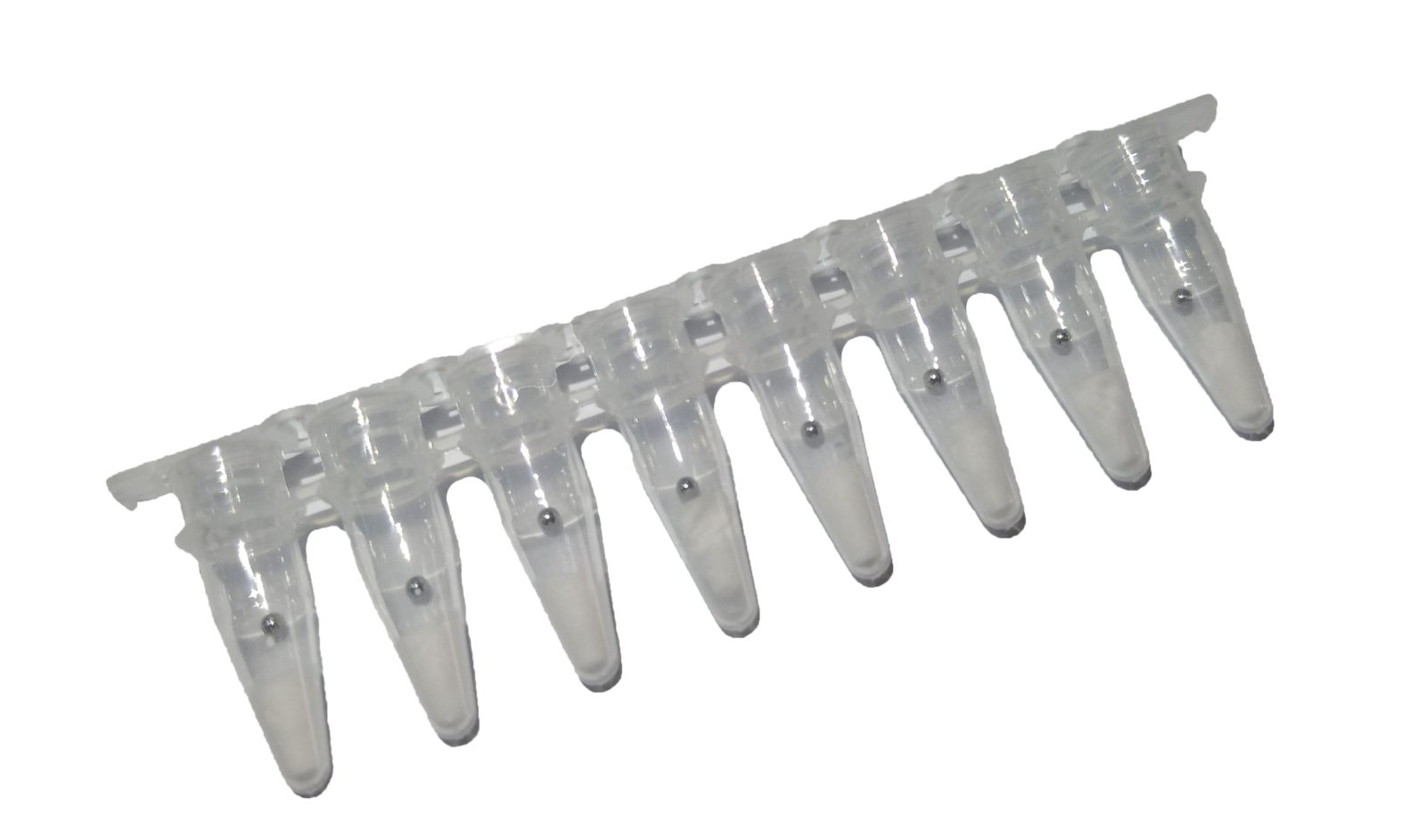
RAA (Recombinase-Aided Amplification) is the isothermal amplification platform behind every ZC Bioscience reagent. All kits are developed and manufactured in-house.
Recombinase-Aided Amplification is a rapid isothermal nucleic acid amplification technology. A recombinase obtained from bacteria or fungi binds tightly to the primer DNA at ambient temperature, forming a recombinase–primer complex. When the primer locates its fully complementary sequence on the template, single-stranded DNA-binding protein helps open the double strand, and DNA polymerase synthesises a new complementary strand. The product accumulates exponentially.
With a labelled fluorescent probe the reaction can be read in real time; a fluorescence result is typically available within 5–15 minutes. All reaction components are pre-mixed and lyophilised in the tube — simply add Buffer A, Buffer B and the extracted sample DNA. RAA can in principle be multiplexed: two or more primer pairs in one reaction amplify several targets simultaneously, saving reagents and cost.
RAA is applied across food safety (pathogen detection, meat-species authentication, GMO screening), aquaculture pathogen detection, animal disease detection and other fields.
Molecular-level testing that does not require specialist staff. Two-step workflow: extract, then amplify and read.
Results in 5–15 minutes; truly rapid testing that fits high-volume, short-shelf-life sample streams.
High sensitivity and specificity; the recombinase–primer complex recognises the target sequence by base pairing.
Compact instruments suited to harsh field conditions and on-site inspection; the analyzer weighs 3.8 kg.
Runs at 30–42 °C; no thermal cycler or other expensive equipment required — a heat block or water bath is enough.
Reagents supplied as freeze-dried pellets, ready to use, easy to ship, and free from freeze–thaw loss.
| Platform comparison | PCR | LAMP | RAA |
|---|---|---|---|
| Enzymes | Taq DNA polymerase | Strand-displacing DNA polymerase | Recombinase, single-stranded DNA-binding protein, strand-displacing DNA polymerase |
| Reaction temperature | High temperature, thermal cycling | 60–65 °C | 37–39 °C |
| Reaction time | 1.5 h | 40 min | 15 min |
| Primer pairs | 1 | 2 | 1 |
| Reagent format | Liquid | Liquid | Lyophilised pellet |
| Readout | Gel; real-time fluorescence | Visual turbidity | Gel; real-time fluorescence; lateral-flow strip |
| Equipment | Thermal cycler | Heat block at 60–65 °C | Heat block, water bath or portable analyzer |
Typical values from ZC Bioscience method comparison. Actual run times depend on target, sample matrix and readout.
29 catalogue items: core amplification kits for assay developers, ready-to-run food-safety kits, extraction reagents and the Genchek instruments that read them. All reagents are for research use only (RUO).
Enzyme reagent kits for building your own RAA assay. Pre-mixed, lyophilised, 48 tests per kit in a 50 μL system. Choose DNA or RNA (RT) chemistry and gel, real-time fluorescence or lateral-flow readout.
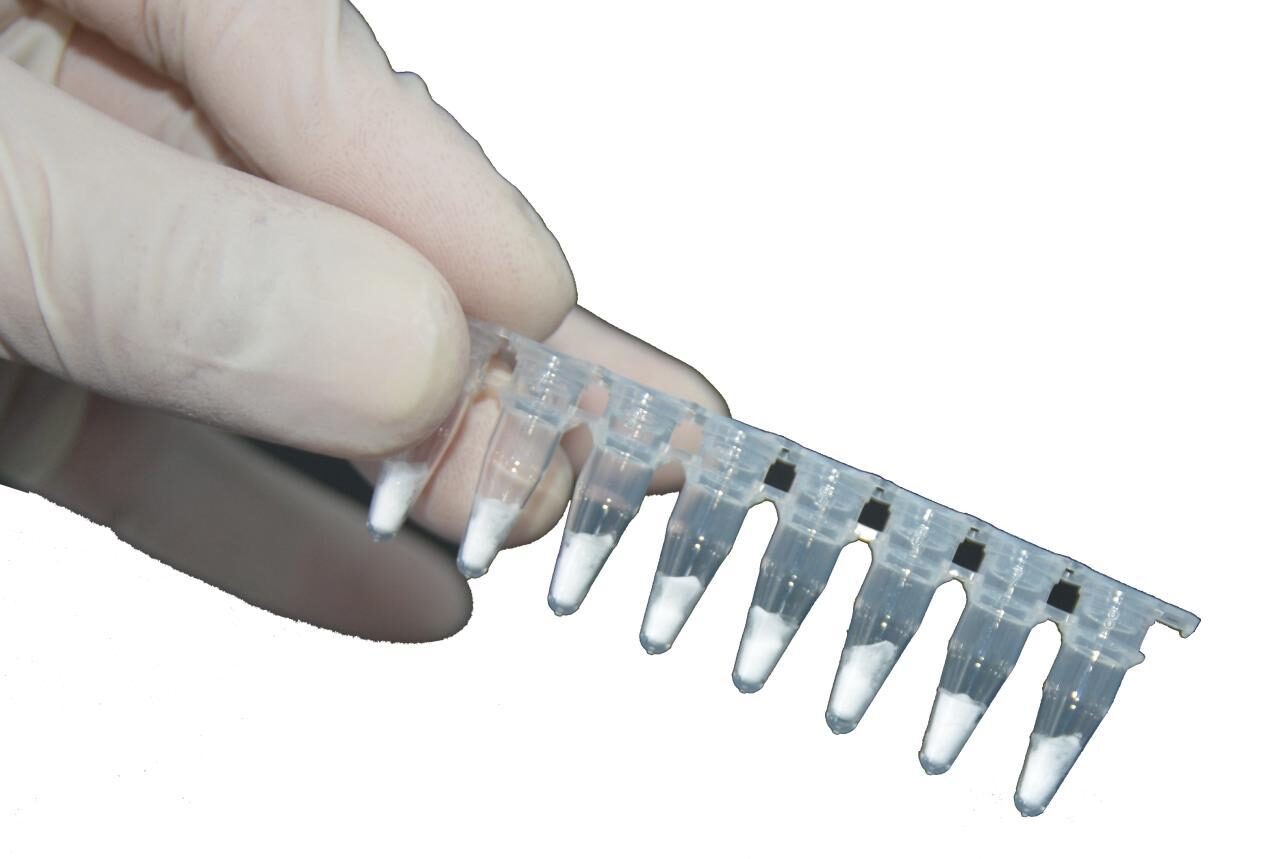
Rapid amplification of DNA at 37 °C; product confirmed by agarose gel electrophoresis. Runs on a heat block, water bath or incubator.
Rapid DNA amplification with real-time monitoring on the Genchek analyzer or standard real-time PCR instruments; 5–20 min.
Rapid amplification of RNA — reverse transcription and RAA in one tube at 37 °C, with gel readout.
Rapid amplification of RNA with real-time fluorescence readout on the Genchek analyzer; 5–20 min.
Rapid DNA amplification at 39 °C; the nfo-cleaved probe and biotin-labelled primer yield a dual-labelled amplicon read on a universal lateral-flow strip.
Rapid RNA amplification at 42 °C with lateral-flow strip readout — no instrument required beyond a heat block.
An integrated, portable rapid-test analyzer for on-site and mobile testing. Built-in reagent mixing, fully matched to RAA reagents; dual fluorescence channels (FAM & ROX); automatic data analysis and report generation with multiple export options.
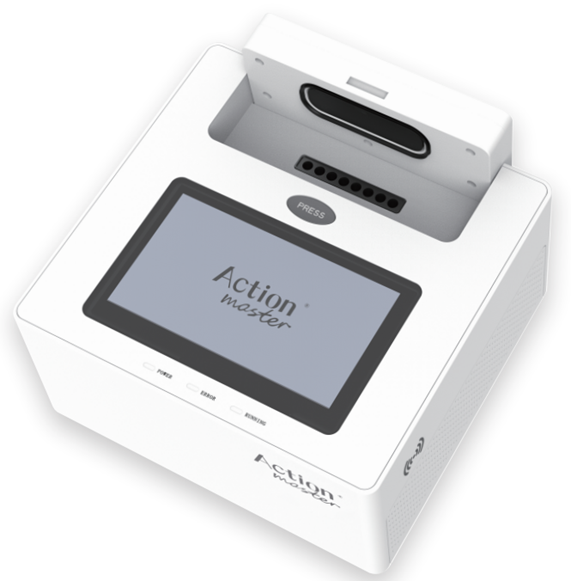
Portable 8-well analyzer for real-time RAA fluorescence detection. Laptop-sized, 3.8 kg, with built-in mixing and on-board reporting.
| Throughput | 8 wells |
| Fluorescence channels | FAM / ROX |
| Temperature range | Ambient to 65 °C |
| Temperature accuracy | ±0.5 °C |
| Net weight | 3.8 kg |
| Power | 120 W |
| Dimensions (L×W×H) | 255 × 240 × 123 mm |
| Power supply | AC 100–240 V, 50/60 Hz |
| Operating system | OPENRTOS |
| Operating environment | 5–35 °C, 20–80 % RH |
| Storage environment | -20 to 55 °C, <90 % RH |
| Compatible reagents | All ZC Bioscience fluorescent RAA kits |
Purpose-built front ends for RAA: heat-lysis in 5 minutes, spin columns in 10–15 minutes, or a magnetic-bead plate for automated extractors. No hazardous solvents, low cross-contamination risk.
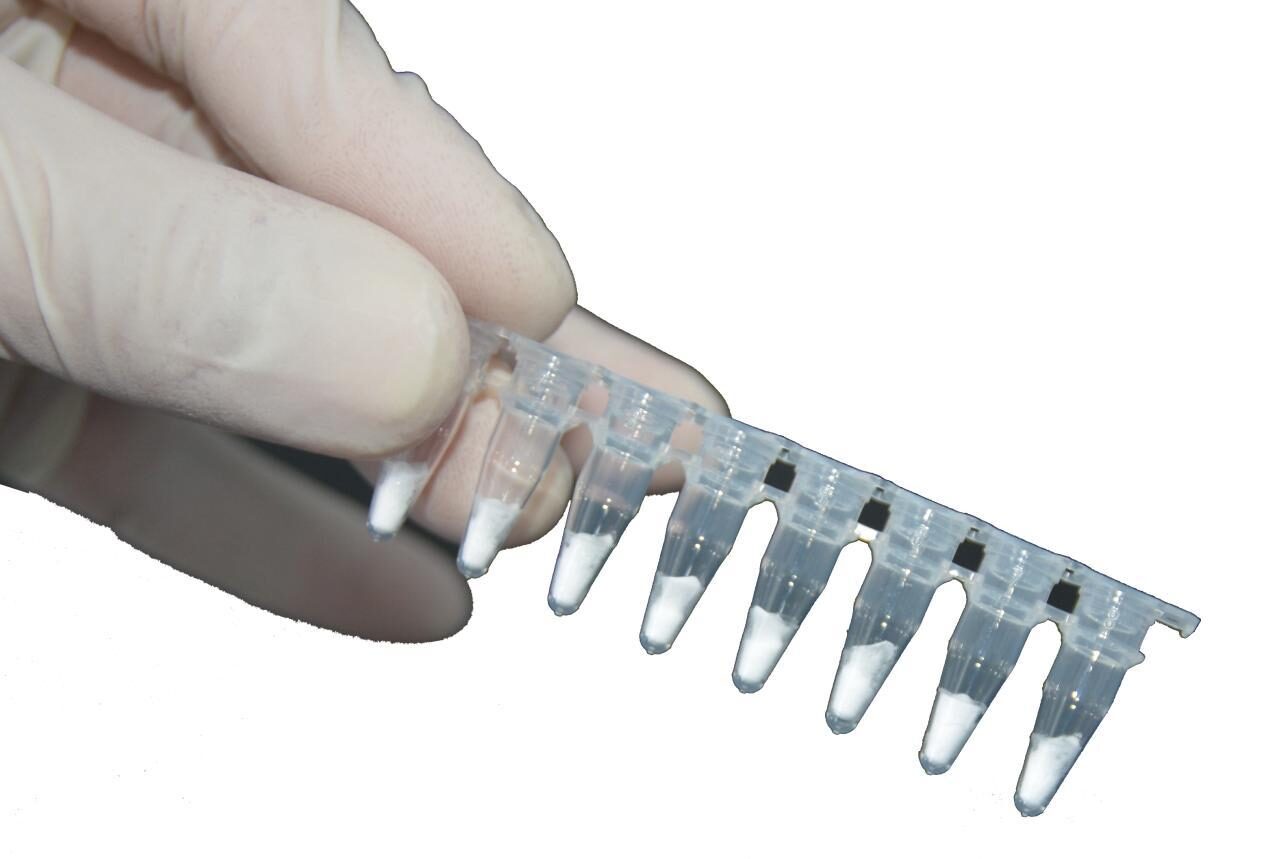
5-minute genomic DNA from animal tissue, blood, meat products, plant tissue, seeds and bacteria. Surfactant/chemical lysis — no organic extraction, no ethanol precipitation.
Lyse–bind–wash–elute in 15 minutes. Animal tissue, cells, bacteria, saliva, blood, swabs, faeces, bone and feed; high yield and stable quality.
Four steps, 10 minutes, high-quality RNA from animal tissue, cells, saliva, blood, swabs and faeces — ready for RT-RAA.
For automated magnetic-bead extractors. Nano-magnetic-bead purification with high yield and consistency; cuts hands-on time for food-safety, environmental microbiology, livestock and molecular biology research.
Ready-to-run RAA fluorescent kits, 24 tests per kit. Result read directly from the amplification curve and time — no electrophoresis. Compatible with Genchek-I/II and standard real-time PCR instruments (ABI, MJ, Roche, Bioer series).
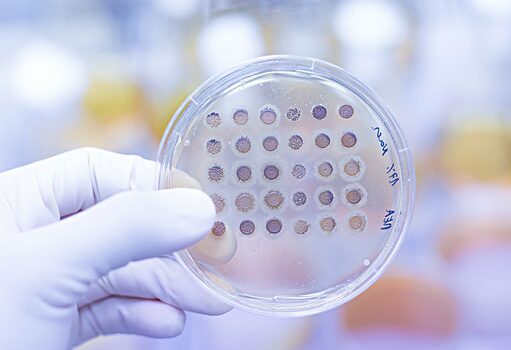
Species-specific gene detection in animal tissue, blood, foods, meat products (including processed meat) and feed. Each kit detects different breeds of its target species.
Qualitative detection of pathogens in foods, beverages, water, cosmetics, disposable hygiene products and seafood. Method references: GB 4789 series and SN/T series.
Screening kits for six common transgenic elements, plus event-specific kits for soybean, maize and canola lines. 24 tests per kit; catalogue numbers and availability on request.
Fully automated, sample-in/result-out in 30 minutes. Performs pipetting, lysis, nucleic acid purification, isothermal amplification, fluorescence detection, analysis and reporting in one instrument.
Benchtop automation for RAA: quantitative pipetting, sample lysis, purification, amplification and dual-channel fluorescence detection with automatic reporting.
| Sample throughput | 1 per run |
| Run time | Approx. 30 min |
| Channels | FAM / ROX |
| Interface | 7-inch colour touchscreen |
| Weight | 16 kg |
| Rated power | 221 W · AC 220 V, 50 Hz |
| Dimensions (L×W×H) | 260 × 325 × 420 mm |
| <15 μL | Accuracy >98 %, CV <5 % |
| 15–50 μL | Accuracy >98.5 %, CV <3 % |
| >50 μL | Accuracy >99 %, CV <1.2 % |
| Operating environment | 20–30 °C, 20–80 % RH |
| UV lamp / air purification | Yes / Yes |
Isothermal RAA reagents specifically recognise and amplify the target gene fragment; the Genchek analyzer monitors amplification in real time and the run completes in 15 minutes.

As price gaps between meats widen, species substitution and adulteration are increasingly common. Short shelf lives and high sample volumes call for a fast, accurate and practical method. RAA-based species kits detect species-specific genes, identifying meat origin at the molecular level with no cross-reaction between species.
Users — food and drug regulators, customs and border inspection, livestock authorities, agricultural research institutes, law enforcement; food, dietary-supplement and feed manufacturers, third-party testing laboratories.
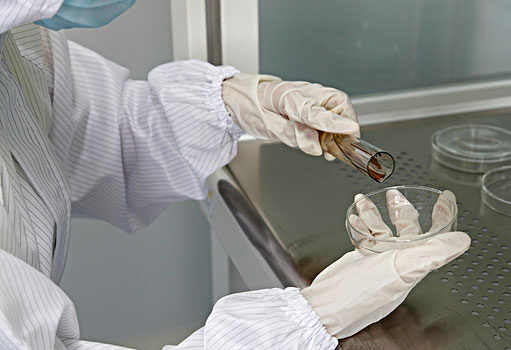
In China, pathogenic bacteria account for an estimated 40–50 % of reported foodborne-illness cases each year. ZC Bioscience's RAA pathogen kits combine multi-channel detection, short run times and high sensitivity — raising testing throughput, moving food-safety warnings earlier and cutting labour cost. Qualitative detection in food, beverages, cosmetics and seafood.
Users — food and drug regulators, customs and border inspection, public-health laboratories; food and cosmetics manufacturers, third-party testing laboratories. Method references: GB 4789 series, SN/T series.

GM crops carry genes introduced from other organisms to alter traits, nutrition or quality. Alongside their economic value they raise questions of food safety and environmental impact, and regulators worldwide require labelling and control to protect consumers' right to know. ZC Bioscience's RAA-based GMO kits specifically detect exogenous elements and events in crops, identifying GM material at the molecular level.
Users — food and drug regulators, customs and border inspection, livestock authorities, agricultural research institutes; food, dietary-supplement and feed manufacturers, third-party testing laboratories.
Animal-species assay on the Genchek analyzer. RAA is simple to run and needs no specialist; two pipetting steps separate the sample from the answer.
Our R&D team answers every product question with patient explanation and demonstration — consultation, technical documentation, training and after-sales support, plus custom RAA assay development.
Expert technical support from the people who develop the chemistry: consultation on target and sample type, technical documentation, method demonstration and operator training.
Good after-sales service earns customer trust. We provide quality after-sales service with long-term technical documentation and support. If a problem arises, our engineers respond promptly and resolve issues online or by phone; where an on-site visit is needed we agree the arrival time with you.
RAA is a versatile, portable rapid-testing platform that can replace LAMP or PCR in many workflows. Our products are continuously improved, and we also develop custom RAA assays to meet specific customer needs — contact us to discuss your target.
Hangzhou ZC Bio-Sci & Tech Co., Ltd. ("ZC Bioscience") is an R&D-driven biotechnology company based in Hangzhou, China. We develop and apply Recombinase-Aided Amplification (RAA), an isothermal nucleic acid amplification technology, and supply RAA-based reagents, extraction kits and portable fluorescence instruments for rapid molecular testing. All reagents are for research use only.
Since September 2016 the company has accelerated product development for RAA-based rapid food-safety testing, launching in turn the animal-species (meat authentication) molecular detection series, the foodborne pathogen molecular detection series and the GMO ingredient molecular detection series. Other application areas include environmental monitoring, aquaculture pathogen detection and animal disease detection.
ZC Bioscience has signed strategic cooperation agreements with government institutions and research organisations across several fields to co-develop RAA-based detection kits. We remain committed to advancing RAA technology and delivering rapid-testing products and services that are fast, accurate and easy to use.
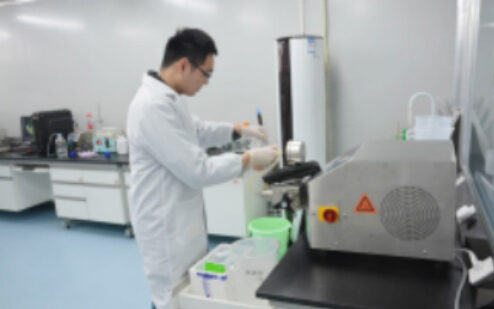
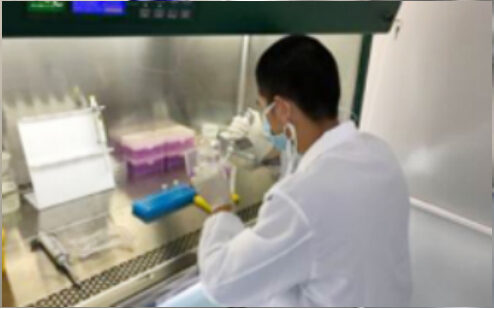
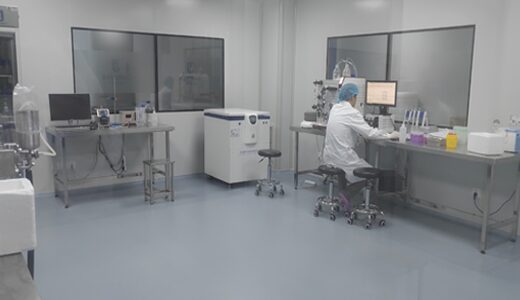

RAA is an isothermal in-vitro amplification method in which recombinase, single-stranded DNA-binding protein and DNA polymerase replace the thermal-cycling denaturation of conventional PCR, allowing rapid amplification at a constant 37 °C.
Read more →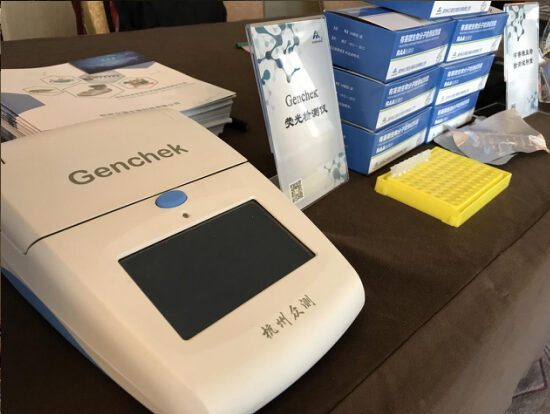
On 20–22 July 2017 the 7th Food Microbiology Detection and Control Technology Exchange was held in Shanghai, co-organised by the Agro-product Safety Research Center of the Chinese Academy of Inspection and Quarantine, the Analytical Microbiology Committee of the Chinese Society for Microbiology, and Foodmate.
Read more →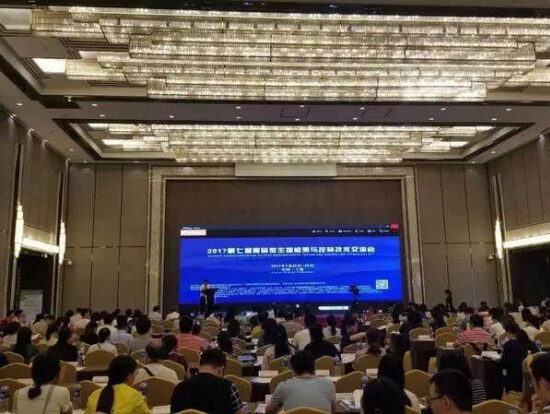
Foodborne disease caused by pathogenic microorganisms is the number-one food-safety issue. Controlling contamination, strengthening laboratory capability and applying advanced microbial detection and control technology have become focal concerns for regulators and food companies alike.
Read more →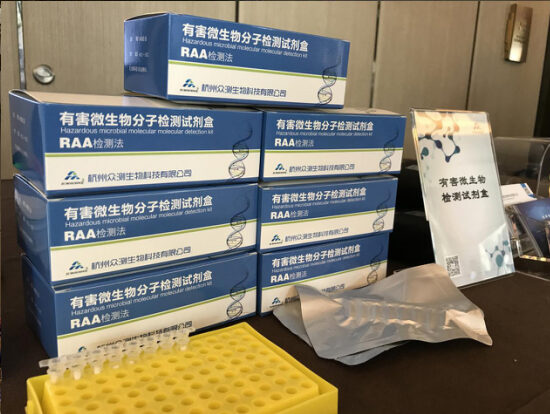
The annual CBIFS food-safety technology forum was held on 7–8 April 2017 at the Hangzhou International Expo Center. ZC Bioscience, a newcomer to food-safety testing, made its debut at the conference.
Read more →Quotes, datasheets, distributor enquiries and custom development — we reply within two business days.